
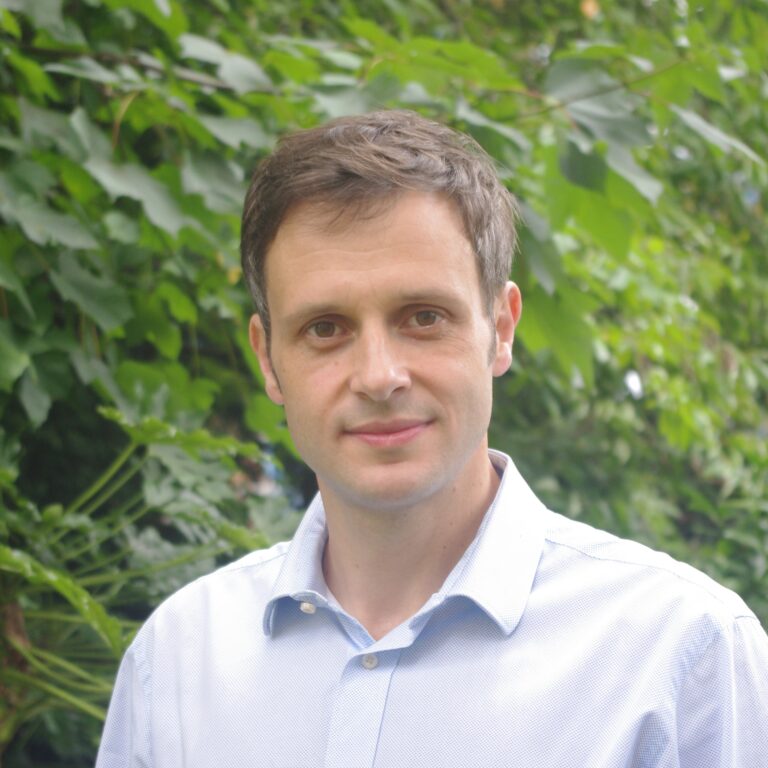
Today, we invite you to discover Sortflow, a startup offering digital solutions for operational excellence and regulatory compliance in the waste and recycling industry. We speak with its CEO and founder, Luc Mallinger
What problem does your startup address and what solution does it propose?
Recycling plants are complex operations, but many companies still rely on disconnected systems, spreadsheets and limited operational visibility. We develop software tools that help operators better understand how materials move through their facilities, model and improve their processes, and increasingly make use of live plant data.
The second big challenge is compliance. Reporting and traceability requirements in the waste and recycling industry are becoming more and more demanding, and operators are having to manage larger amounts of data.
What’s interesting is that these 2 challenges are actually connected. A lot of the data needed for compliance is also useful operationally if it’s used in the right way.
We want to help recycling companies better use their data, not just to simplify reporting and compliance, but also to improve operational performance and decision-making across their facilities.
How and why did you start this entrepreneurial adventure? Any advice from your experience that you would like to pass on to future entrepreneurs?
Before founding SortFlow, I spent more than 15 years working in the recycling industry, particularly around process design and advanced sorting technologies. Part of my work involved building mass-balance models for customers while working for a plant builder. At the time, a lot of important design and business decisions were being made using Excel-based models, and it increasingly felt outdated given the complexity of modern recycling facilities.
That was really the starting point for SortFlow. I believed the industry needed its own software to model and understand recycling processes.
Over time, the vision evolved into something bigger as we started working with more plant operators. Through these collaborations, we gained a better understanding of the operational challenges facilities face on a daily basis, as well as the increasing pressure around compliance and traceability.
A part of the vision behind SortFlow has really been built with our customers. Working closely with operators and understanding the day-to-day realities of running recycling facilities has had a huge influence on how our solutions have evolved and where we want to take the company in the future.
One lesson I would pass on to future entrepreneurs is the importance of staying close to your customers and allowing your vision to evolve with real market needs.
How do you expect the sector to evolve? And what expectations do you have for your startup?
I believe the waste and recycling industry is entering a phase of digitalisation. Facilities are becoming increasingly automated and technologically advanced, but in many cases the operational visibility and software infrastructure around them are still relatively limited. At the same time, regulatory requirements around reporting, traceability and material quality continue to increase.
Over the next decade, I think we will see much better integration between operational data, process monitoring, plant equipment, compliance systems and decision-making tools. Digital twins, live performance monitoring and intelligent data analysis will become increasingly important across the sector.
For SortFlow, our ambition is to become part of the digital infrastructure supporting this transformation. We want to help recycling operators better understand their facilities, improve operational performance, and make more informed decisions based on real data.
Any new developments in the near future that you would like to share with the rest of the startups?
We’ve spent a lot of this year continuing to develop and improve our mass-balance modelling application, which has been a major focus for us.
In the second half of the year, we’ll put more emphasis on our other applications, particularly around compliance. One important development in the UK is the introduction of Digital Waste Tracking later this year, and we’re currently adapting our compliance and reporting tools to support these new requirements.
In some ways, compliance requirements make our roadmap easier because when these new regulations come in, we know these are things we have to support for our customers.
In what areas would you like to collaborate with other startups, companies or other organisations?
We are very open to collaboration because the recycling industry is highly interconnected and no single company can solve every challenge alone.
We are particularly interested in collaborating with facility operators, equipment manufacturers, universities and research organisations working on circular economy and industrial digitalisation topics
We believe there is significant value in building stronger digital ecosystems within the recycling industry. Many organisations are solving different parts of the same broader challenge, and collaboration is essential if we want to move the ball in the right direction.
You are currently a finalist in the Open Call for Waste Management Startups, which received more than 160 applications from over 50 countries. We wish you the best of luck at the final event. Could you tell us about your experience with the call?
It has been a positive experience for us so far. We were very pleased to be selected as finalists, especially considering the number of applications and the international nature of the call. It’s encouraging to see so much innovation currently happening within the waste and recycling industry.
We’re curious to hear about the other startups and technologies that will be presented during the final event. It’s always very interesting to see the different approaches people are taking to solve challenges within the industry.
For us, initiatives like this are important because they help bring together companies, ideas and organisations that are all contributing in different ways to the future of the sector.